
Search Content
Displaying results 781 - 800 of 4140
Fishing »
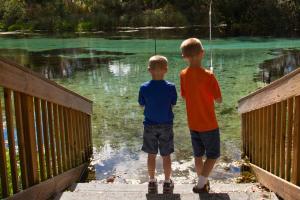
The District preserves hundreds of miles of freshwater shoreline along many of the most beautiful rivers and lakes in the region.Fishing is allowed along the banks of District water bodies and by boat unless an area is posted closed to fishing. All fishing on District lands is subject to the Florida Fish and Wildlife Conservation Commission license requirements and regulations.How to contact…
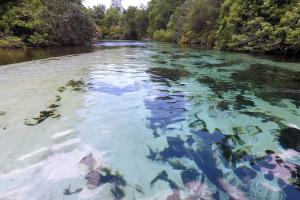
The 7.5 mile-long Weeki Wachee River is another spring-fed river on the Springs Coast. Its headwater is Weeki Wachee Springs, one of Florida’s legendary roadside attractions where tourists, including Elvis Presley, have been coming to see the famous live mermaids in the underwater theater since the 1940s. The headsprings and surrounding land are now owned by the Southwest Florida Water Management District and managed by the Florida Park Service as Weeki Wachee Springs State…
March 14, 2025The Southwest Florida Water Management District (District) is committed to providing a website accessible to the public, regardless of disability. To further this commitment, the District uses a web scanning service to assist with website accessibility and optimization. The District follows the Web Content Accessibility Guidelines (WCAG) 2.0, level AA technical standard, and is currently working toward achieving conformance with the…
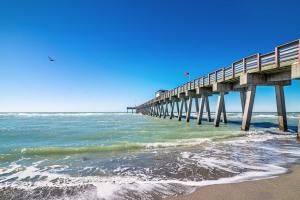
The Venice area is rich in history and has important archeological sites. In fact, there are traces of settlements from over 10,000 years ago when the Florida peninsula was twice as wide as it is today. At that time, it was an area with vast savannas, grasslands and open prairies.Several thousand years later, the Calusa Indians, who dominated most of South Florida, thrived in the area as an important civilization for many generations. They left canal systems, impressive…
Canoeing »
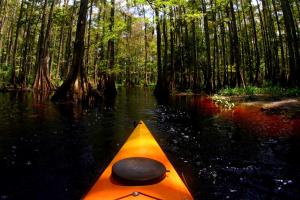
Explore the deepest wildlands of a Florida blackwater cypress swamp, or float down the crystal clear waters of a pristine spring-fed stream.
District lands preserve hundreds of miles of pristine shoreline along many of the beautiful rivers and lakes in the region. Whether it is a great blue heron stalking its prey, an alligator sunning on a log or a deer getting a drink from the cool, clear waters of a spring-fed river, there are endless opportunities to view wildlife in…
What is the Weeki Wachee Carrying Capacity Study?
The Weeki Wachee Carrying Capacity Study is an ecologically-based study of the Weeki Wachee River in Hernando County. The goal of the study was to evaluate the effects of recreational use on the natural systems of the river, as its growing popularity and increased visitor traffic have led to concerns about potential degradation of the river and its ecosystems.
Who conducted the study?
Third-party consultant Wood…
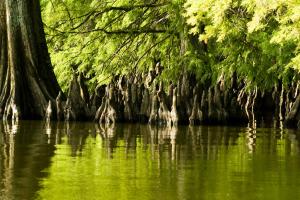
An Environmental Resource Permit (ERP) is required before beginning any construction activity that would affect wetlands, alter surface water flows, or contribute to water pollution.Environmental Resource PermitsAs authorized by Part IV of…
Addressing Drainage Complaints and IssuesAre you experiencing flooding or drainage not caused by a storm event? Confused about which government agency to reach out to for help? Use this reference guide to find out who to contact. Contact the Southwest Florida Water Management District for drainage complaints or issues related to:
- Stormwater management systems (i.e. retention ponds, swales, etc.) in District-…
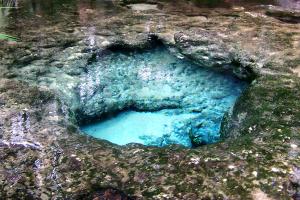
What springs are located within our District? There are more than 200 springs within the District. There are five first-magnitude spring groups in the District. First-magnitude springs, which are the largest springs by volume of water discharged, release 64.6 million gallons per day or more. The five springs are: Rainbow River, Crystal River/Kings Bay, Homosassa River, Chassahowitzka River and Weeki Wachee River. Together, they discharge more than one…
The Splash! school grant program provides up to $3,000* per school to enhance student knowledge of freshwater resources issues. Public and charter school teachers of grades K-12 are eligible to apply. Grant applications for the 2025-2026 school year are now closed.Getting Started Use the links below to learn more about implementing a Splash! school grant. Please note that Splash! grants are only available to educators within the Southwest Florida Water Management…
Water Use Permit Bureau ChiefAs bureau chief of the Water Use Permit Program, April is responsible for overseeing water use permit evaluation, water use permit compliance, well construction permitting and demand management.April has 15 years of experience related to challenging water use permitting considerations. She previously held various significant roles with the District, including Water Use Evaluation and Compliance manager and hydrogeologist.April earned a bachelor’s…
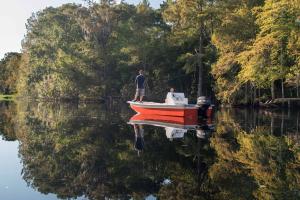
Boating »
Where possible, launch facilities are provided for boaters on District lands.
There are many recreational opportunities available on water bodies throughout the District including boating, canoeing, kayaking and fishing. All visitors taking part in water sports should keep safety first. The Florida Fish and Wildlife Conservation Commission (FWC) regulates…
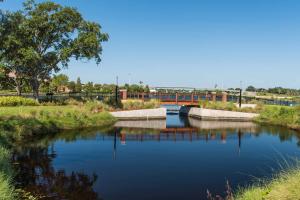
Welcome to the WaterMatters Blog. This blog is a chronicle of news, issues and events happening at the Southwest Florida Water Management District.
Your Questions Answered
February 2019
Q: Is there a rainy season and dry season in central Florida?
A: Yes, rainfall is seasonal. Our rainy season is a four-month period from June through September, with average rainfall of about 7.8 inches each month. About 60 percent of our average annual rainfall is received during that time. The higher rainfall results in rising water levels in wells, lakes, rivers and springs…

Water supply refers to the source and process of providing water to different users. The “source” refers to where the water comes from. Sources of natural fresh water may include groundwater or surface waters, such as lakes, rivers, ponds or streams.
According to the Florida Department of Environmental Protection, surface water was the largest source of fresh water in Florida until 1980. After 1980, groundwater became…
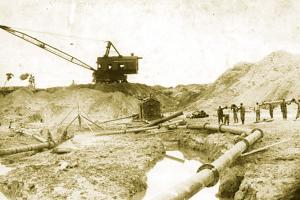
Following the Seminole Wars, the Peace River Valley remained a sparsely settled wilderness, dotted with small farms, citrus groves and cattle ranches. Agriculture was forever changed with the discovery that phosphorus promotes plant growth. Phosphorus is a nonrenewable resource. Phosphate minerals formed millions of years ago when Florida was underwater. It is believed it formed when skeletal remains of animals, organic matter and dissolved phosphorus in seawater…
The District and the Department of Environmental Protection (Department) recently issued a joint response to concerns expressed by regulated interests regarding implementation of these permitting criteria. This response is summarized below:
- The Southwest Florida Water Management District (District), following the direction of the Department of Environmental Protection (Department), has informed permit applicants that stormwater discharges contributing to…
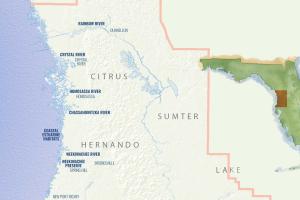
Some of the cities and towns located in the Springs Coast Watershed include Brooksville, Crystal River, Dunnellon, Homosassa, New Port Richey and Spring Hill. The trademarks of this watershed are the many springs that discharge to form rivers, the extensive coastal swamps and salt marshes, high pine woodlands and lakes.There are more than 200 documented springs that occur throughout the Southwest Florida Water Management District (District). Five of these have a discharge of…