
Florida has the largest concentration of freshwater springs in the world. A spring is a natural opening in the ground where water flows directly from the aquifer to the earth’s surface. The magnitude of a spring is based on its discharge with first-magnitude springs having the highest discharge. There are two second-magnitude springs that contribute flow to the Hillsborough River — Crystal Springs and Sulphur Springs.
Crystal Springs
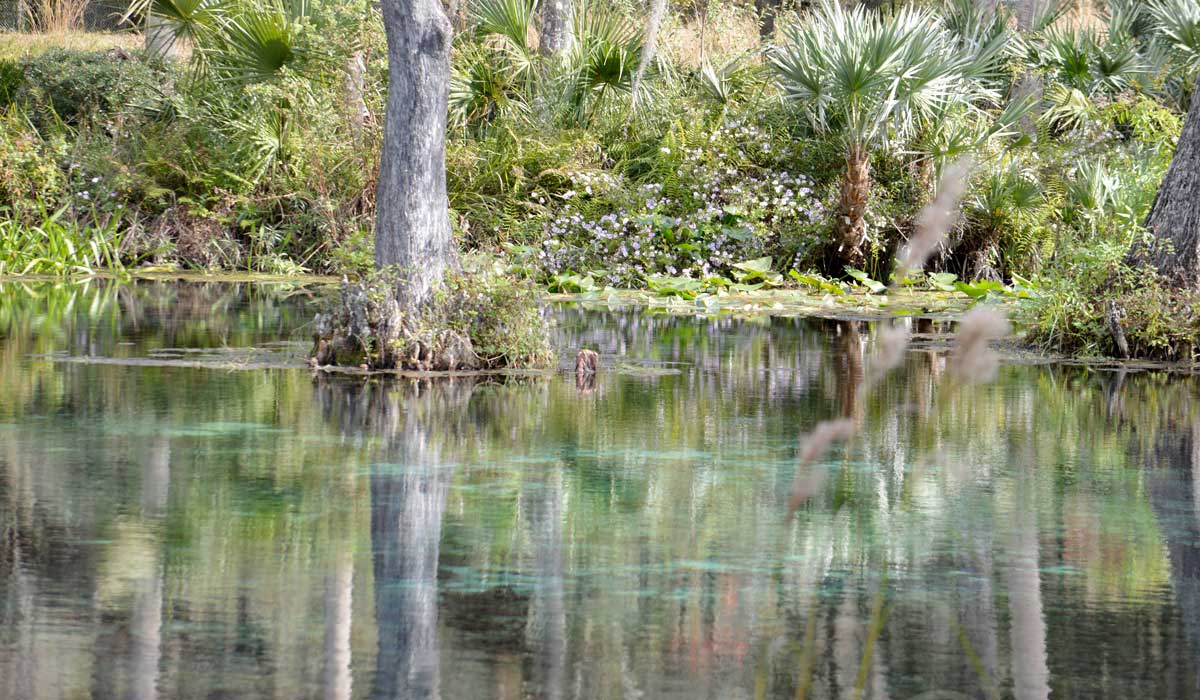
Crystal Springs, south of Zephyrhills, is a major source of fresh, clean water for the Hillsborough River. It discharges an average of 36 million gallons of water per day, which is a significant source of water for the river, especially during the dry season. This fresh water also is important to people, plants and animals such as bobcats, raccoons, herons, ibises, turtles and frogs. Since the mid-1980s, water from the spring has been pumped and sold as bottled spring water. Located on private property, the spring was a popular area for swimming until the family closed the property in 1996. An on-site educational center now provides K–12 students an opportunity to learn about Crystal Springs, the Hillsborough River and the surrounding ecology.
Sulphur Springs
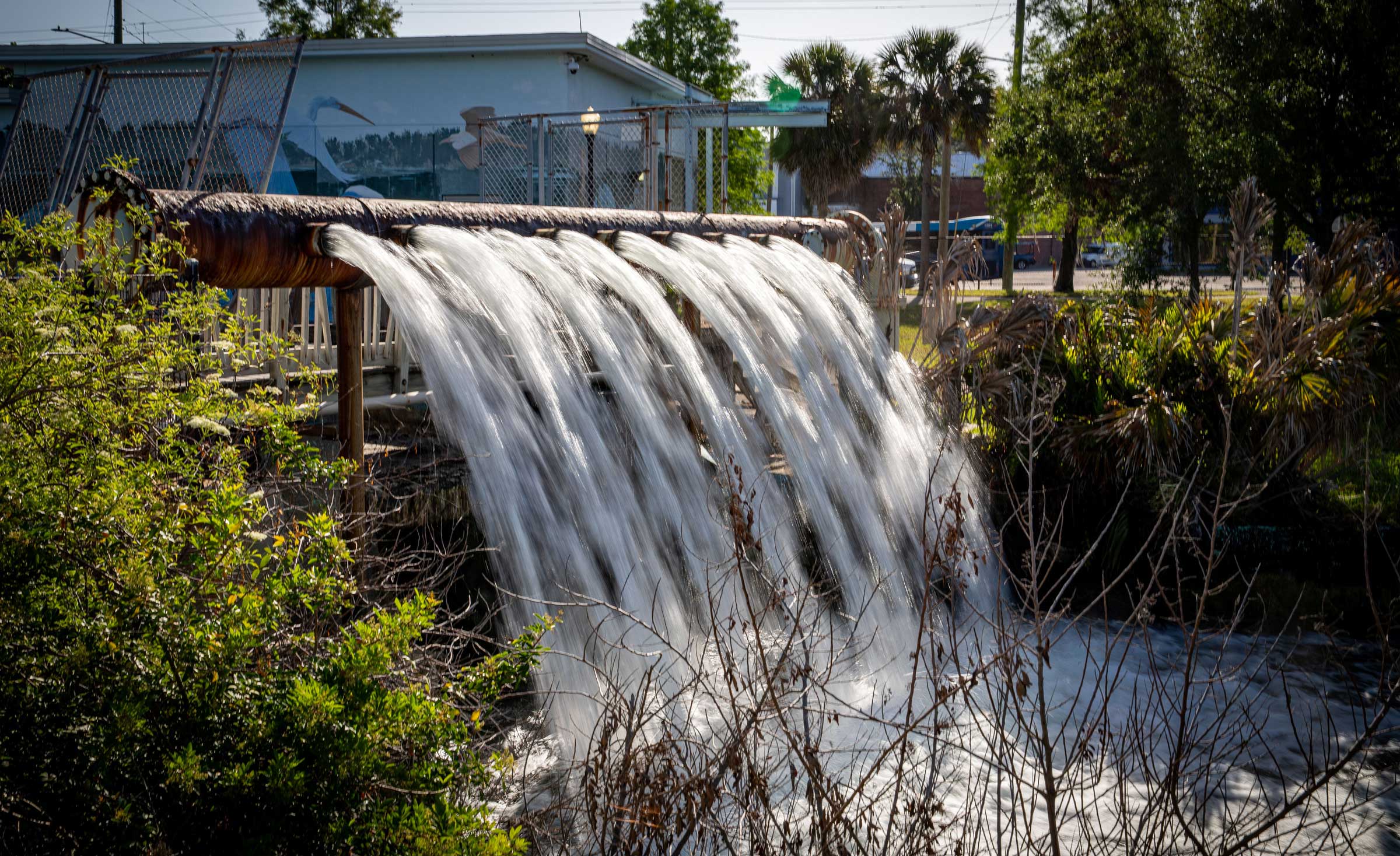

Unlike the rural setting of Crystal Springs, Sulphur Springs is located in a highly urbanized area of Tampa. Also a former swimming spot for tourists and residents, concrete walls surround the spring making a circular swimming pool. It has been closed for recreation since the mid-1980s due to high bacteria counts. On average, the Sulphur Springs discharges 22 million gallons of water per day, which supports the downstream ecology of the River.
Ulele Springs

Ulele Springs in downtown Tampa is much smaller than the previous two but has a neat story of urban revitalization! In the early 1900s, the area surrounding this unique spring was industrialized and a pipe was installed that altered the natural flow of freshwater from the spring system to the river. In 2014, the pipe was removed and a meandering stream system and wetland area were created, allowing fish, manatees and other wildlife access to the springs from the river and providing water quality benefits, too. The restoration project was a joint effort of the Southwest Florida Water Management District (District), the City of Tampa and the Ecosphere Restoration Institute. The community can now enjoy the restored springs by visiting the City of Tampa’s Water Works Park.