peace river

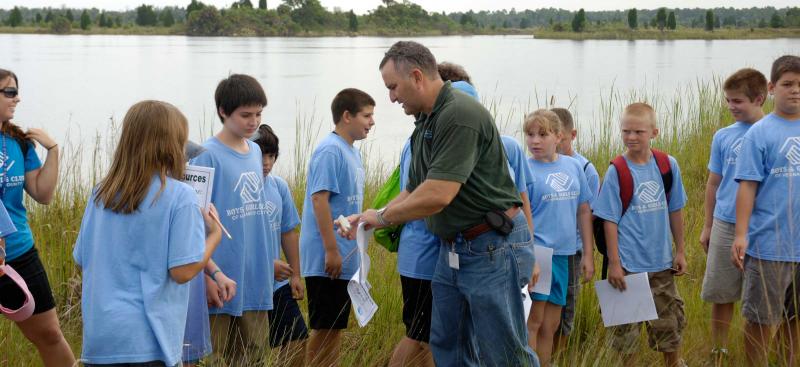
Explore a Watershed

Alafia River Watershed Excursion

Peace River watershed excursion

peace river

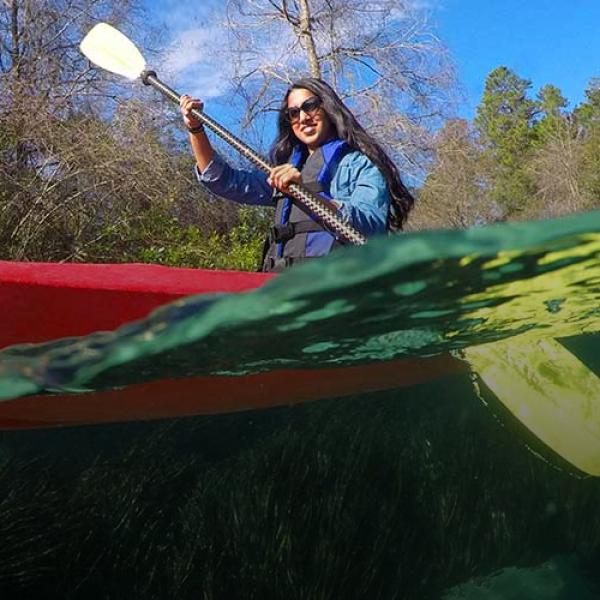
We’ll experience ecosystems and habitats, meet the Seminole warrior Osceola and learn what’s being done to protect this unique, vulnerable and majestic Florida river for future generations.

Southern Coastal watershed excursion

southern coastal

When people live 10 miles from the gulf, their activities directly impact the gulf and every water body leading up to it. Explore the issues and impacts of the Southern Coastal region.

The Green Swamp

green swamp

The half-million acres of cypress swamps, marshes, pine flatwoods and sandhills are a complex, but integrated and delicate natural system. See why the Green Swamp is the beat of Florida’s hydrologic heart.

Springs Coast watershed excursion

springs coast

This watershed features miles and miles of coastal salt marshes, but that’s not the only important part of this watershed. Learn what makes the Springs Coast watershed special.

Hillsborough River watershed excursion

hillsborough river

Travel down the Hillsborough River from its beginnings in the Green Swamp to the mouth of Tampa Bay. We’ll stop along the way to learn about major features of the Hillsborough River area.

A watershed is an area of land that water flows across as it moves toward a common body of water, such as a stream, river, lake or coast.


As water drains to the lowest point in a watershed, along the way it picks up all sorts of pollutants, such as soil particles, oil, fertilizer and animal manure. We all live in a watershed and everything we do can affect the health of our water. Learn how your actions can leave footprints — footprints that can affect your watershed’s water quality.

Help Protect Your Watershed

Use fertilizers and pesticides sparingly
Extra nutrients in the water supply disrupt the natural harmony between animals and plants of an ecosystem.
Have septic systems inspected for leaks and capacity
Contamination of the water supply is harmful to plants, animals and people.
Conserve water
Overwatering can damage lawns and plants and places extra stress on our water supply.
Never dump anything down a storm drain
Storm drains are channels for rainwater to help reduce flooding. Dumped chemicals can find their way deep underground, polluting the aquifer and other water supplies we all rely on.
Pick up after your pets
Bacteria from pet waste can be carried into nearby water bodies and are harmful to fish.
Take the watershed pledge!
Pledge to make a difference in your watershed and get a free wristband!
watershed

Typical Florida coastal
watershed
(click to enlarge)
Request a free watershed poster!

Watershed Basics

Houses, open fields, office buildings and forests are all part of a watershed. While every inch of land belongs to a complex, physical network of watersheds, the natural high areas of land describe a watershed’s boundary. High and low points of the land determine how rainwater that falls onto tree leaves and rooftops eventually finds its way into our waters.

Because we all belong to a watershed, our actions affect the health of our watershed. Common activities like walking the dog, taking care of the lawn and driving the car leave behind pollutants. As rainwater moves through the watershed, it picks up bacteria and chemicals and carries them to our streams, rivers, lakes and coasts. Improper disposal of motor oil, pet waste and over-fertilization of a lawn all contribute to this pollution. Because of its many random sources, we all share responsibility for this pollution — called nonpoint-source pollution.

A watershed’s most common nonpoint-source pollutants are bacteria and nutrients. Leaks from septic systems and pet waste are common sources of bacteria. When rainwater washes the bacteria to nearby streams and lakes, it makes those water bodies unsafe for swimming and fishing. Nutrients most commonly come from yard fertilizer (which contain nitrates and phosphates), but they’re also present in pet waste and septic system wastewater. Rainwater washes excess nutrients from lawns into water bodies, where they cause algal blooms that lower the amount of oxygen in lakes and streams to levels harmful or fatal to aquatic plants and animals.

Southwest Florida Water Management District home page

Home Page  •  Who We Are & What We Do  •  Search & Site Map  •  Contact Us  •  Privacy & Disclaimer  •  © Copyright  •  pdf Download PDF Reader