Interactive Lessons, Grants, and Activities for Water Conservation Education
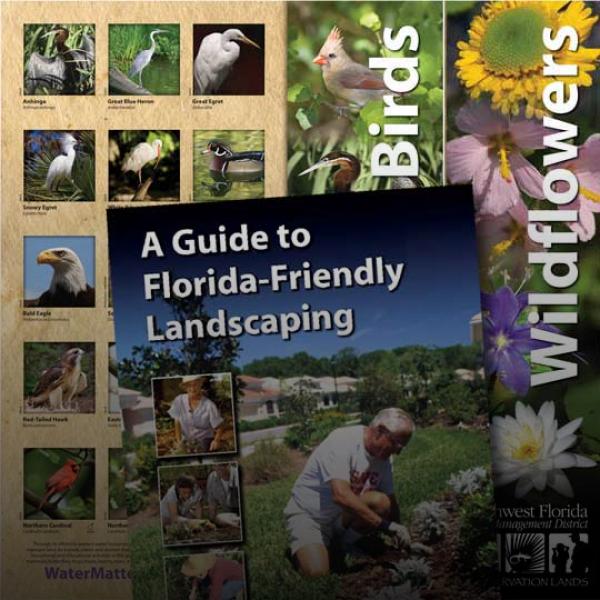
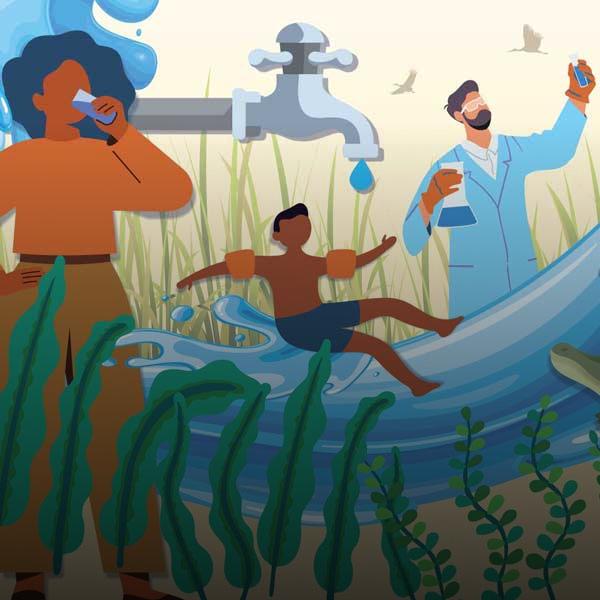
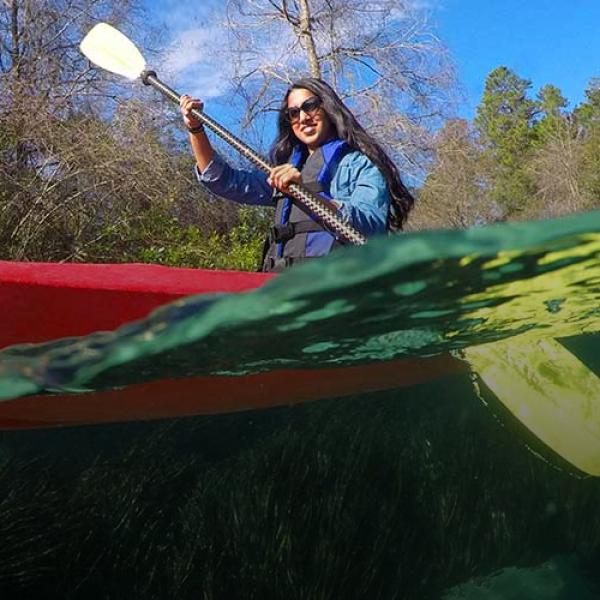
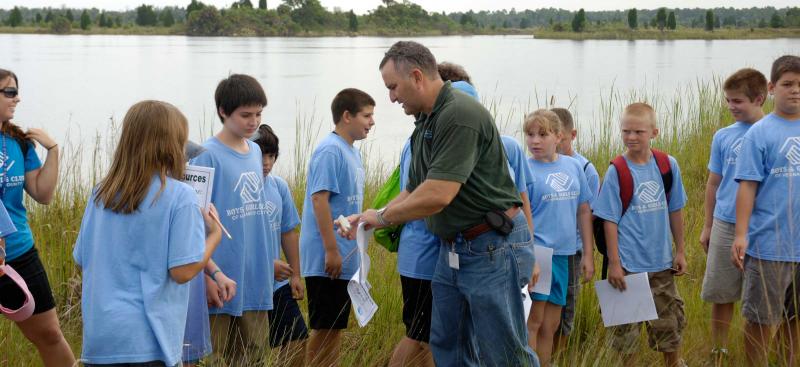
Explore a variety of engaging, water-focused educational tools designed to make learning fun and interactive for both teachers and students! From grants of up to $3,000 for freshwater education to hands-on activities and virtual watershed excursions, these resources cover key topics like the water cycle, watersheds, and conservation. Teachers can also access free publications, take part in the Classroom Conservation Challenge, and join Project WET workshops to enhance their teaching strategies. Plus, check out the H2O Zone for cool water facts and information.