toon_wetland-thinker.jpg

A wetland for your thoughtstitle_wetlandthoughts.gif

As settlers journeyed through the young United States, they built roads, farms, factories, cities, etc.

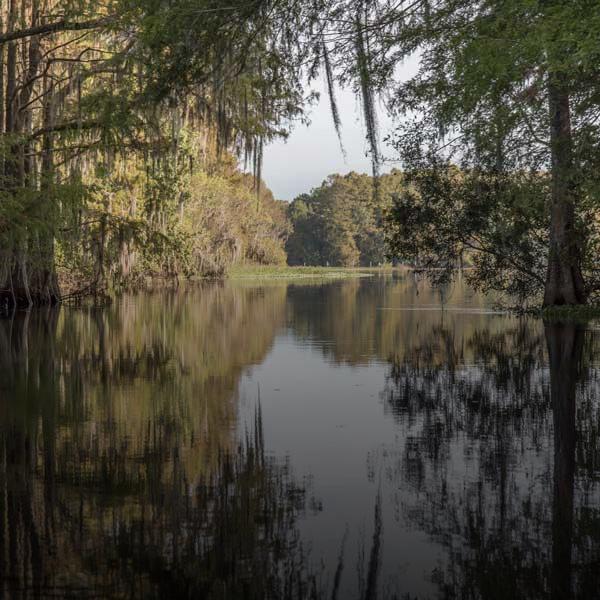
Swamps, marshes and other wetlands were often seen as worthless, standing in the way of progress. As America grew, wetlands were destroyed. California has lost more than 90 percent of its wetlands. Today there are 99 million acres of wetlands remaining in the lower-48 states. More than 10 percent of those remaining wetlands are in Florida.

In the 1800s, wetlands covered more than half of the state. Florida has lost nearly half of its wetlands since pioneer times. Wetlands today cover 30 percent of Florida.

Today attitudes regarding wetlands have come full circle. What were seen as wastelands as recently as 30 years ago are now regarded as an invaluable resource to our quality of life.

The Southwest Florida Water Management District promotes the preservation of wetlands. The SWFWMD regulates the human activities and development that take place in wetlands covering all or part of 16 west central Florida counties. The SWFWMD also acquires sensitive tracts of wetlands, such as the Green Swamp, through state programs such as Save Our Rivers and Preservation 2000. The aim of these acquisitions is to protect the land for the water's sake.

Wetlands provide protection from flood and storm damage.

Wetlands temporarily store flood waters, protecting property owners downstream from severe flooding. They also slow floodwaters, lowering wave heights and reducing soil erosion. Researchers at the University of Florida discovered that when wetlands make up as little as 10 percent of the landscape, flooding decreases by 60 percent. When wetlands cover 20 percent of an area, flooding decreases by 90 percent.

Wetlands contribute to water supplies.

The Green Swamp serves as the headwaters of four major rivers: the Hillsborough, Peace, Withlacoochee and Oklawaha. According to the Southwest Florida Water Management District's Guide to Recreational Lands, the area is extremely important for groundwater recharge as the aquifers are near the land surface.

Wetlands may affect climate.

It is speculated that by creating updrafts, wetlands in the Everglades trigger the summer rains vital to the water cycle of south Florida. Wetlands may also help moderate temperature extremes by slowly releasing heat on the coldest winter days and by cooling the air during the summer.

Wetlands provide nursery areas, nesting habitat, wintering habitat, and feeding grounds for fish and wildlife.

Spectacular wading birds including herons, egrets, ibises, spoonbills, and storks feed and nest in wetlands. In fact, nearly 20 percent of the Atlantic coast's wintering waterfowl (between 700,000 and 1.2 million birds) depend on Florida's wetlands. Wetlands support nearly three-quarters of the birds considered endangered in the state.

Large mammals, such as white-tailed deer, bobcats, grey foxes, black bears, and panthers, use wetlands for denning sites, movement corridors, escape cover and food. The largest reptiles in the United States, the American alligator and the endangered American crocodile, live in Florida's wetlands.

Source: U.S. Fish and Wildlife Service

Return to Main

Southwest Florida Water Management District home page

Home Page  •  Who We Are & What We Do  •  Search & Site Map  •  Contact Us  •  Privacy & Disclaimer  •  © Copyright  •  pdf Download PDF Reader